A blackjack pair splitting chart can make a tough decision easier, but it cannot choose for you. The strongest charts show the move, the reasoning and the exceptions instead of treating every pair as a fixed rule. That distinction matters in Australian online blackjack, where table rules, bankroll size and personal comfort with risk all shape the best play. We focus on recurring value, player fit and practical judgement rather than chasing a one-off bonus.
Reading a Blackjack Pair Splitting Chart Correctly
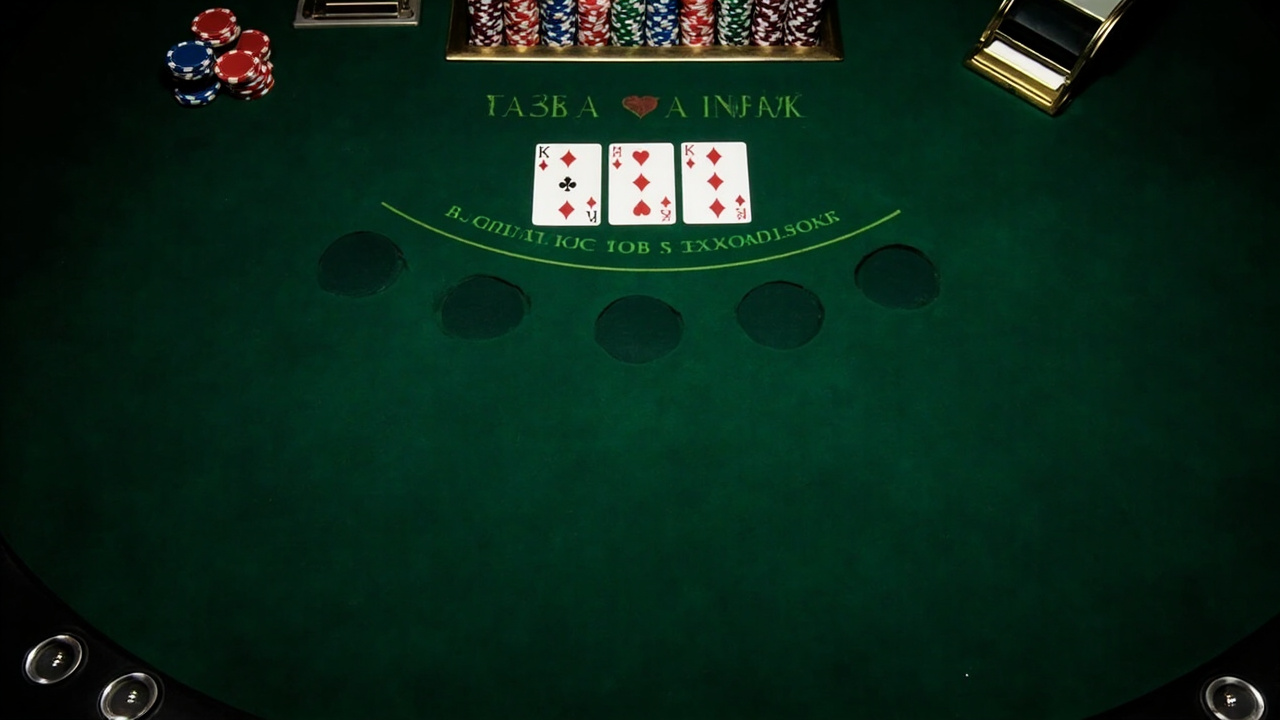
Start with the table rules, not the chart. A pair of 8s, for instance, may be worth splitting against a dealer showing 10, but surrender or particular combinations of ace and ten can change the calculation. A useful blackjack pair splitting chart should state whether the dealer stands on soft 17 and whether you may resplit or draw to a split ace. Without those details, the advice may look precise but remain incomplete.
Player context matters just as much. The chart should be a decision aid, not a promise of profit. Bankroll management determines whether splitting a pair of 5s is sensible when you are wagering AUD 20 a hand, for example, or reckless with only one buy-in remaining. “Hedge your bets” reflects spreading risk across outcomes, but splitting does not make a losing hand safer; it simply creates two separate chances to beat the dealer.
Charts also need to acknowledge human behaviour. Some players enjoy the decision-making, while others prefer to keep the rhythm simpler. If a chart removes every question, it may remove much of the satisfaction. Use it as a reference, then adjust for your own limits and table conditions.
The Core Splitting Decisions Explained
A blackjack pair splitting chart usually sorts pairs into three broad groups: always split, never split and split depending on the dealer’s upcard. The difficult part is understanding why those categories exist rather than memorising a list.
Pairs worth splitting
Aces and 8s are the classic examples, but the reason is more interesting than the rule. Splitting an 8 gives each hand a fresh chance to reach a better total, while the two 8s together add to 16. Splitting a pair of aces creates two opportunities to draw a 10 and reach 21. The dealer still holds an advantage in the underlying game, so the aim is to improve the structure of your hand rather than guarantee a stronger outcome.
A pair of 10s is different. Twenty is already a strong total, and splitting it usually leaves two hands that need to combine with small cards to reach 21. A chart that separates pairs by dealer upcard makes this contrast easier to see.
Pairs better left alone
Pairs of 5s, 4s and usually 6s belong on the other side of the chart. A 5 and 5 creates 10, a total that can improve with any ten, face card or ace. Splitting creates two weak starting hands and two additional wagers. Similarly, two 6s total 12, a number that can be strengthened in ways a split 6 may not.
The exception is rule-dependent. Some rule sets allow splitting 6s against certain dealer cards, and a more detailed guide on Blackjack Split Or Stand On 6s explains why. Read the table’s limits before following the label, because a chart cannot be separated from the conditions in which it applies.
Conditional pairs
Pairs of 2s, 3s, 7s and 9s require judgement about the dealer’s visible card. Splitting a 7 against a 2, 3 or 7 can improve your position against a weak upcard; splitting against a 10 or ace tends to be less attractive. For 2s and 3s, the dealer showing a 2 through 7 often makes splitting more defensible. A 9 pair is best handled more cautiously because each 9 needs help reaching a competitive total.
For 9s, 10s and a dealer 10, standing is generally the more practical choice. A 9 pair against a dealer 3, 4, 6 or 7 can be worth splitting, while 2, 3, 7, 8 or 9 usually favours standing. Against a dealer ace, keep the pair intact. These patterns reflect expected value, not certainty, and no chart can remove the variance built into the game.
How to use the chart at the table
- Check the table rules first. Confirm the soft 17 rule, double-down restrictions, surrender availability and resplit limits.
- Identify the pair precisely. Treat 8 and 8 separately from 8 plus an 8 created by drawing.
- Read the dealer’s upcard. This changes the recommendation for most conditional pairs.
- Compare the risk with your bankroll. Divide your remaining bankroll by your standard hand size, then decide whether a second wager fits comfortably.
- Record the outcome without chasing. One hand does not prove a split was right or wrong; use the same rule consistently before reacting emotionally.
Which Blackjack Player Fits This Approach?
A decision-led blackjack pair splitting chart suits a player who enjoys weighing probabilities rather than following instinct alone. It works particularly well at tables with transparent rules, clear betting limits and enough time between hands to consider the dealer’s upcard. Live blackjack can provide that pace, while mobile play suits quick reference during a session on the couch.
It suits experienced players best, but beginners can benefit from a simplified version. The chart becomes less useful if it encourages overconfidence or spends more than your chosen unit. Players chasing losses, treating split wagers as separate bankrolls or ignoring table limits should step away rather than outsource the decision to a chart.
For Australians, the practical point is straightforward. Use AUD-denominated limits, set a session budget in advance and treat entertainment value as the objective rather than guaranteed income. If you explore other live dealer experiences after your blackjack session, you can play Sweet Bonanza Candyland live tonight as a change of pace, keeping the same firm spending boundary. Access to offshore casino sites is not locally licensed or regulated, so check current Australian rules and use available self-exclusion tools where needed. Darwin’s heat and long evenings at home make short, planned sessions far easier to manage than one extended, unplanned push.
Keeping Value Beyond the First Deposit
A welcome offer may start a session, but regular bonuses give returning players a better reason to return. Look for recurring cashback, weekly reloads, tournaments and a loyalty programme that rewards consistent play rather than simply larger deposits. Cashback can soften the cost of a losing week, while a tournament adds competition without requiring a bigger base bet.
Brand details vary, so consistency matters more than generous claims. At Aurora Play, a live blackjack-focused lobby from a single studio group supports standard, high-limit and tournament tables with rules visible before joining. New registrations receive a 100% match up to AUD 300 plus 50 free spins on selected slots; wagering is 30x on the cash portion and 40x on the spin portion. Payments include Visa, Mastercard, Neosaf, bank transfer and Bitcoin, with balances available in AUD or AUD-equivalent crypto displays.
Support operates through live chat from 9am to 11pm AEST, seven days a week. Loyalty tiers run from Bronze to Obsidian, with cashback increasing from 5% to 12% and tailored tournament invitations appearing from Silver upwards. Mobile browser play is optimised for phones and tablets, while desktop offers a wider view of the live table. None of these features removes the risk; they provide structure for players who prefer planned, repeatable sessions over impulse play.
The best blackjack pair splitting chart reduces guesswork, not responsibility. Check the rules, weigh the upcard, size the wager against your bankroll and choose a table that offers recurring value and clear limits. Play within a fixed budget, and if the chart stops making the experience more enjoyable, leave it alone.